




Year: 2022 / Directed by: John Lee Hancock / Cast: Donald Sutherland, Jaeden Martell
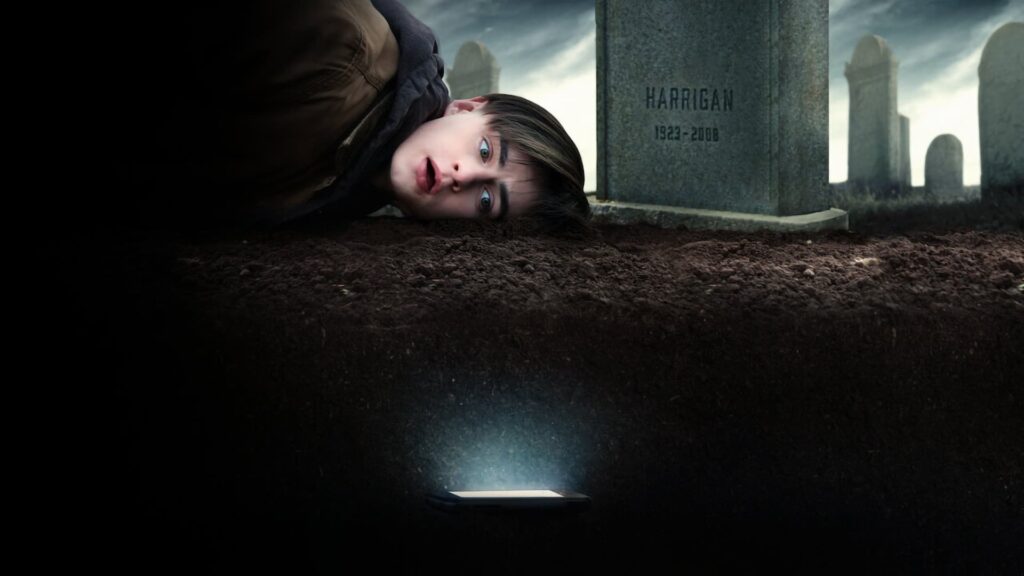
When Mr. Harrigan’s Phone landed quietly on streaming, it didn’t look like a typical Stephen King adaptation. There were no jump scares in the trailer, no high-concept hook begging for attention. Instead, it promised something smaller — and that turns out to be both its strength and its biggest risk.
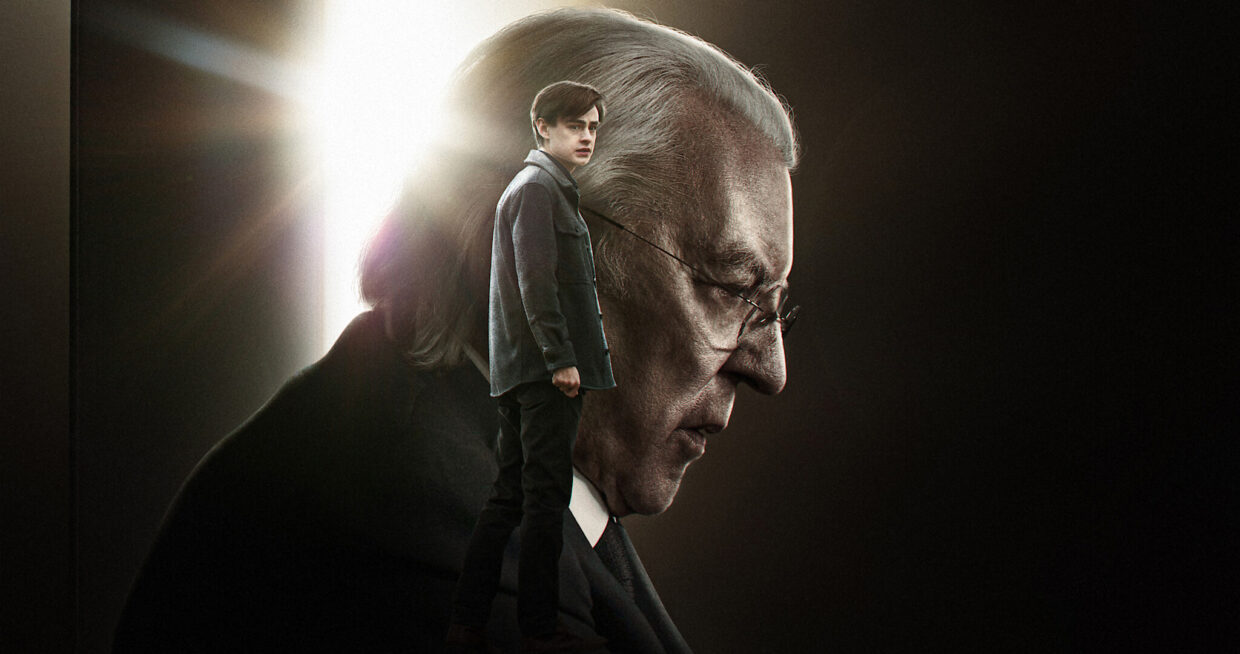
Based on King’s novella, the film tells a restrained story about a boy, a reclusive old man, and the strange bond they form over books, conversations, and eventually, a smartphone. Donald Sutherland’s Mr. Harrigan isn’t a villain or a mentor in the traditional sense; he’s prickly, dismissive, and deeply human. Their relationship unfolds slowly, built on routine rather than revelation, which gives the movie an unusual patience for a genre-adjacent release.
Where Mr. Harrigan’s Phone diverges from expectations is its handling of the supernatural. The “horror” element is intentionally muted. The phone itself isn’t a weapon or a monster — it’s a suggestion. A possibility. Director John Lee Hancock leans heavily into atmosphere, letting silence, grief, and moral discomfort do most of the work. If you’re waiting for chaos to erupt, you may be waiting a long time.
That restraint will divide audiences. Viewers expecting a traditional King scare-fest may find the film too gentle, even uneventful. But those tuned into its wavelength will recognize what it’s really about: power, consequence, and the quiet danger of believing technology can keep people close after they’re gone.
Mr. Harrigan’s Phone isn’t trying to scare you. It’s trying to unsettle you — not with what happens, but with what almost happens. And in a genre crowded with noise, that choice feels deliberate, confident, and refreshingly old-fashioned.