



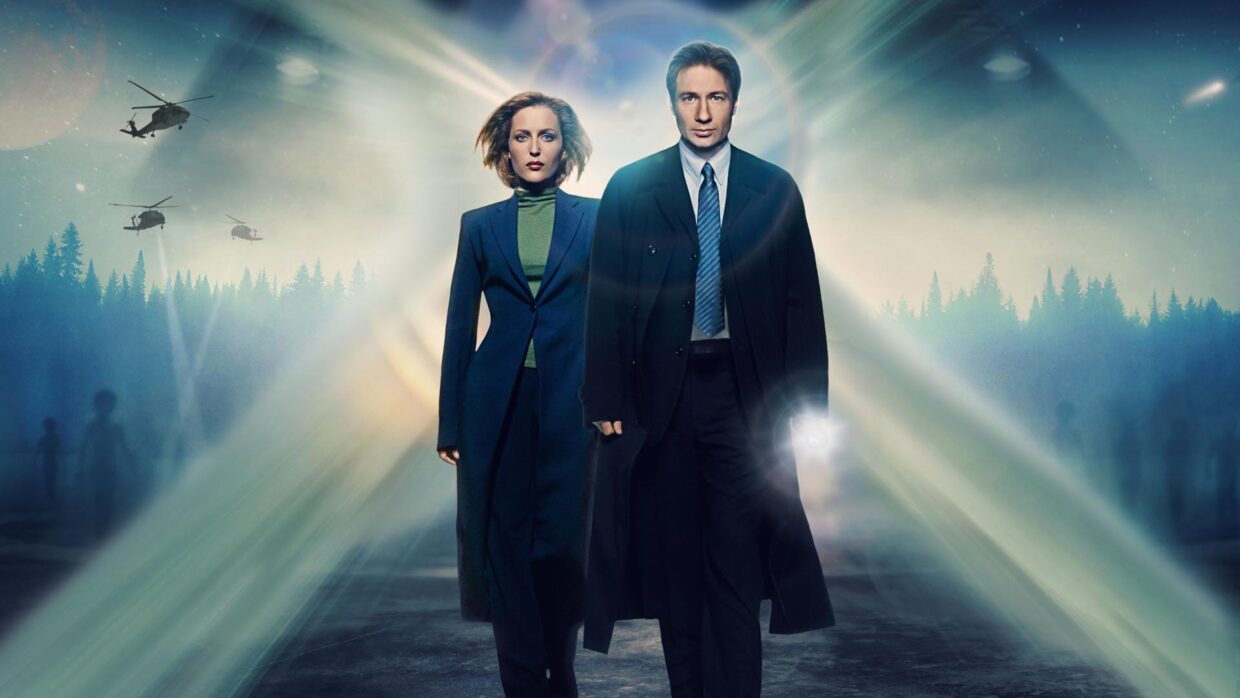
Year: 1993 / Created by: Chris Carter / Cast: David Duchovny, Gillian Anderson
When The X-Files premiered in the early 1990s, it arrived with a simple promise: investigate the unexplained. What it delivered was something much deeper — a cultural phenomenon that reshaped genre television.
At its core were two opposing forces. Fox Mulder believed the truth was out there, hidden behind lies and shadows. Dana Scully believed in science, reason, and evidence. Their partnership turned each episode into more than a mystery; it became a philosophical debate. Faith versus skepticism. Instinct versus logic.
The show thrived on atmosphere. Dark forests, empty highways, flickering lights, and government offices that felt deliberately opaque created a world steeped in paranoia. Standalone “monster-of-the-week” episodes mixed with an overarching conspiracy that grew more complex — and unsettling — with time.
What made The X-Files endure was its refusal to provide easy answers. It trusted viewers to sit with uncertainty. In an era before constant explanations and instant clarity, the show embraced mystery as its greatest strength.
Decades later, its influence is everywhere. But few series have captured that same sense of wonder — and unease — quite like The X-Files.
Mulder’s partnership with Scully grounded him, challenged him, and kept him human. Where he leapt, she questioned. Where he believed, she demanded evidence. Together, they gave the show its balance.
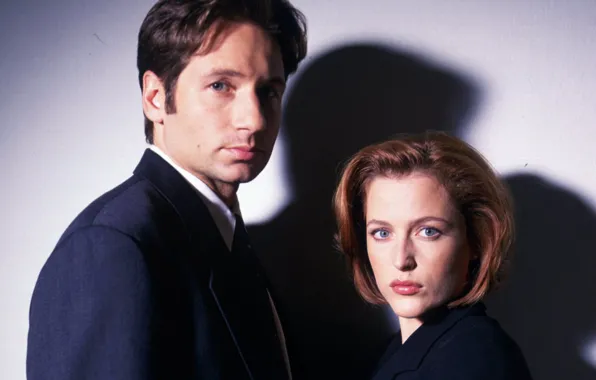
Fox Mulder and Dana Scully