


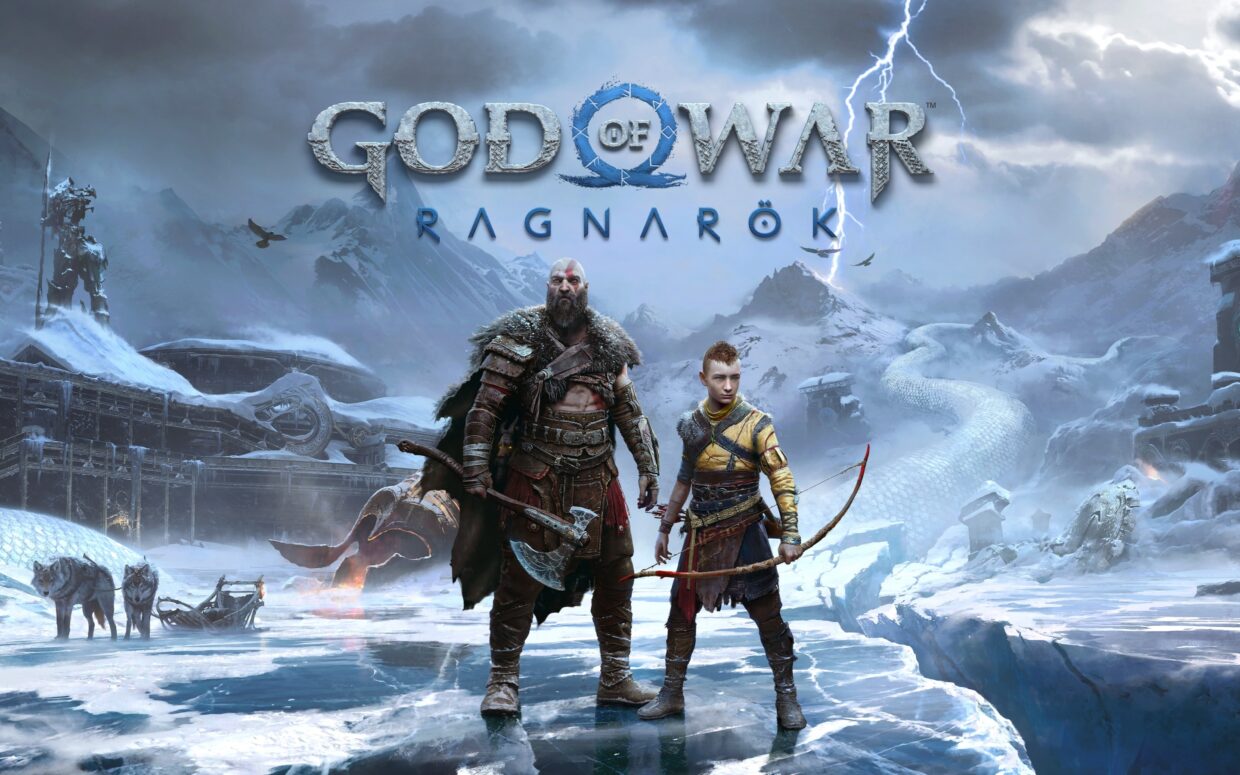
Released in 2022 / Developed by: Santa Monica Studio
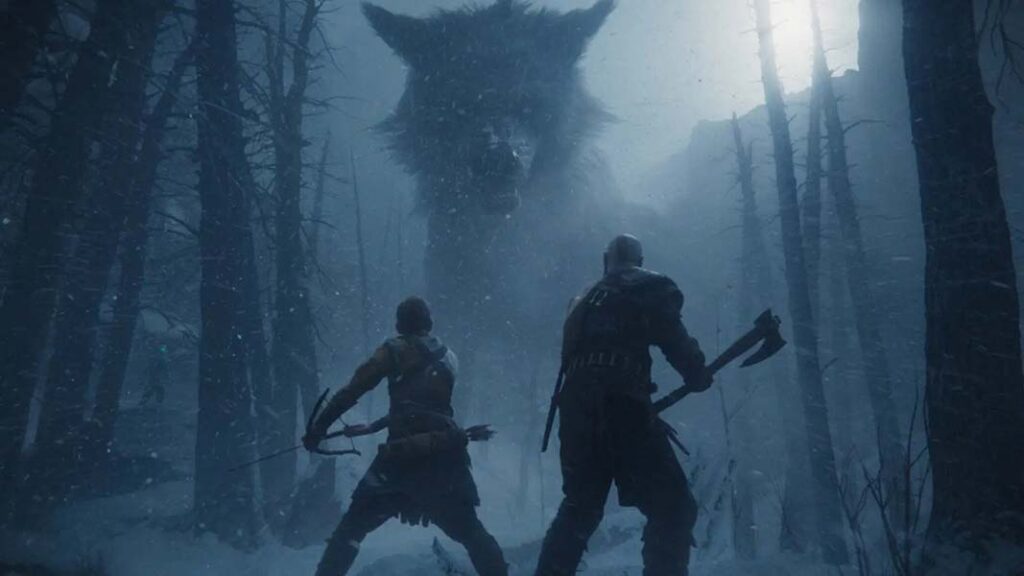
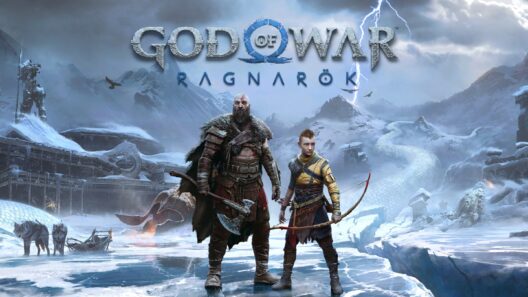
When God of War Ragnarök launched, it arrived with impossible expectations. It wasn’t just a sequel — it was the conclusion of a reinvention that had transformed Kratos from a symbol of unchecked fury into a father struggling with responsibility. Ragnarök doesn’t undo that evolution. It deepens it.
Set against the slow collapse of the Nine Realms, the game balances epic prophecy with intimate character moments. Kratos is still devastating in combat, but his defining conflict is internal. He fears becoming the monster he once was, even as the world pushes him toward war. Atreus, meanwhile, wrestles with identity, destiny, and the burden of knowledge — turning their relationship into the emotional core of the experience.
Mechanically, Ragnarök refines rather than reinvents. Combat feels heavier, more deliberate, and more expressive, with encounters designed to reward patience as much as aggression. Boss fights emphasize spectacle, but also consequence. Violence is no longer indulgent — it’s contextual.
Where the game truly excels is tone. It allows humor without undercutting gravity, and moments of stillness amid chaos. The writing treats mythology not as lore to collect, but as a language for discussing fate, cycles of violence, and the fear of repeating old mistakes.
God of War Ragnarök isn’t about becoming stronger. It’s about choosing restraint when strength is easy. In a medium that often celebrates escalation, the game dares to end its saga by valuing empathy over domination — and that’s what makes it resonate long after the final battle fades to silence.