




Year: 1995 / Directed by: Martin Scorsese / Cast: Robert De Niro, Joe Pesci, Sharon Stone, James Woods
When Casino arrived in the mid-1990s, it felt like Martin Scorsese revisiting familiar territory — but with colder eyes. Where Goodfellas pulsed with momentum and street-level adrenaline, Casino moved with precision, obsession, and inevitability. This wasn’t about the romance of crime. It was about systems, greed, and decay.
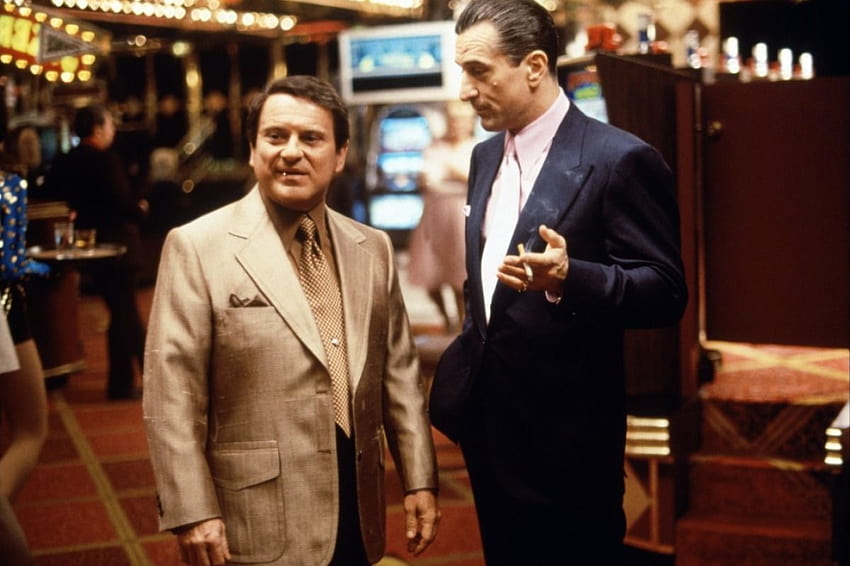
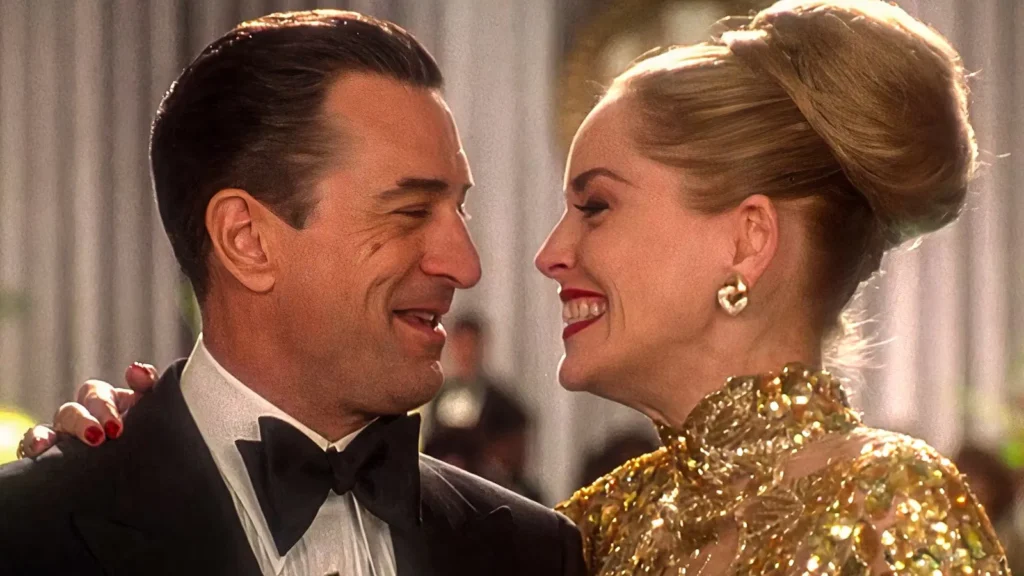
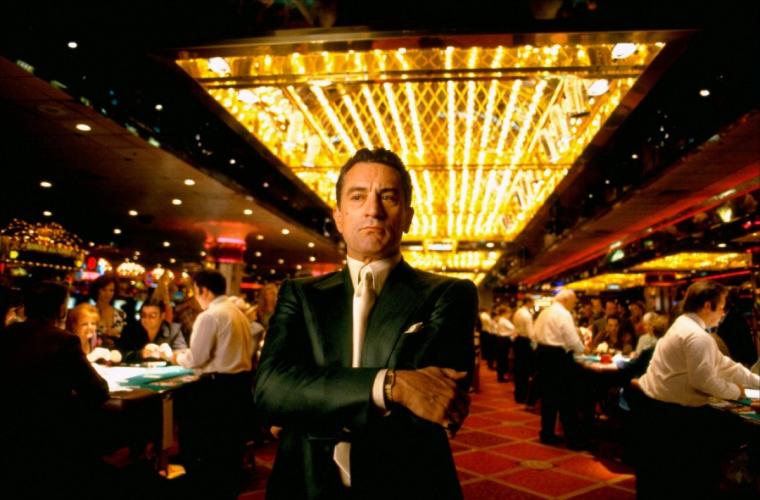
At the center is Sam “Ace” Rothstein, played with meticulous restraint by Robert De Niro. Ace is not a gangster by instinct, but by method. He believes in order, numbers, and rules — an illusion of control that mirrors Las Vegas itself. Around him swirl chaos and appetite: Joe Pesci’s terrifyingly volatile Nicky Santoro, and Sharon Stone’s unforgettable Ginger McKenna, whose self-destruction becomes the film’s emotional core.
Visually, Casino is overwhelming by design. Neon lights, mirrored surfaces, and relentless movement create a sense of excess that never feels celebratory. The voiceovers — layered, competing, and often contradictory — emphasize how everyone believes they understand the game, right until it turns on them.
What makes Casino endure is its patience. It watches characters unravel not through sudden twists, but through accumulation: small compromises, unchecked ego, normalized violence. By the time everything collapses, it feels inevitable.
More than a gangster film, Casino is a study of entropy — of how even the most carefully managed empire eventually crumbles under its own weight.