

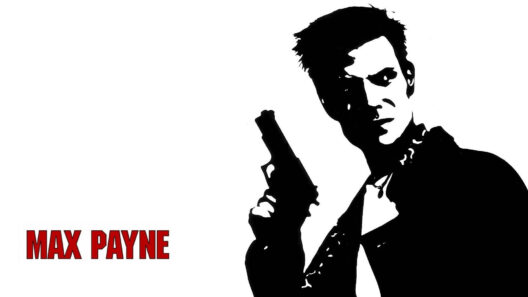
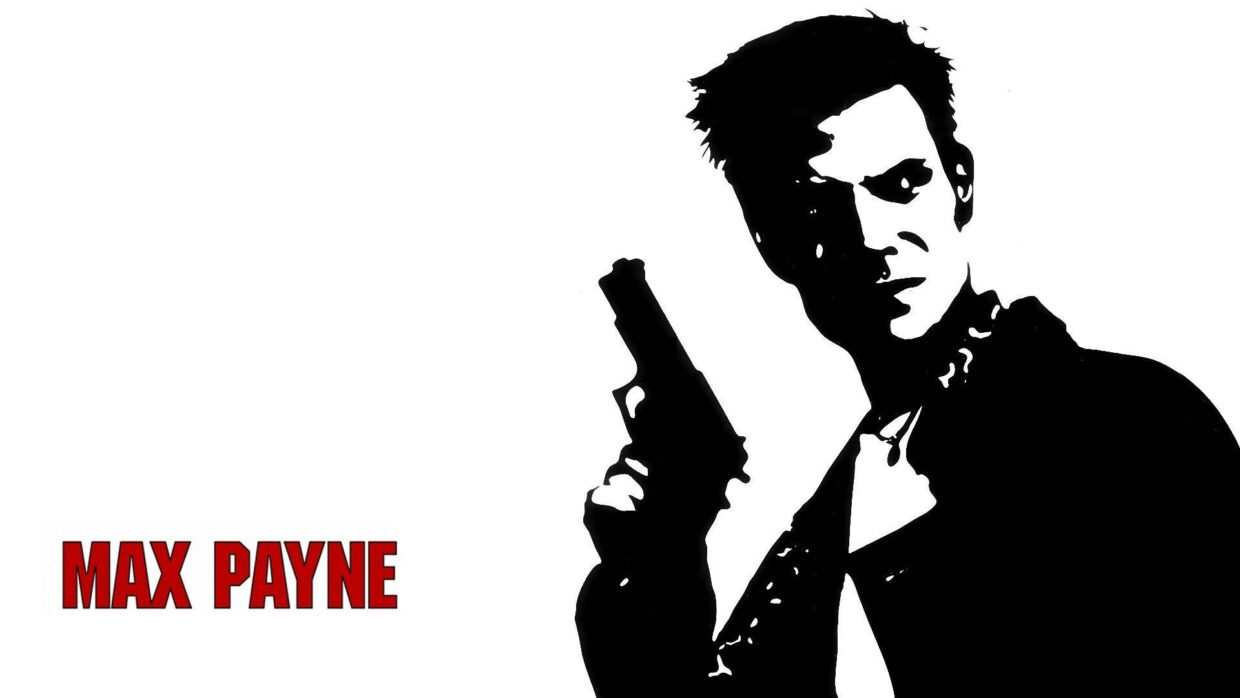
Released in 2001 / Developed by: Remedy Entertainment
When Max Payne launched in the early 2000s, it arrived disguised as a stylish action game. What players discovered instead was something far heavier: a noir tragedy told through gunfire, rain, and regret. This wasn’t power fantasy in the traditional sense — it was punishment with a trigger.
From the opening moments, the game establishes its tone with brutal clarity. Max isn’t a hero chasing glory; he’s a man hollowed out by loss, moving forward because stopping would mean collapsing. The constant internal monologue — delivered in hard-boiled metaphors and deadpan despair — gave the game a literary edge few titles dared to attempt at the time. It sounded like a paperback crime novel, and that was the point.
Mechanically, bullet time was the hook, but not the soul. Slow-motion dives and spinning shootouts looked incredible, yet they served a deeper purpose: making violence feel deliberate, almost ritualistic. Every encounter felt choreographed, not triumphant. You survived by precision, not excess.
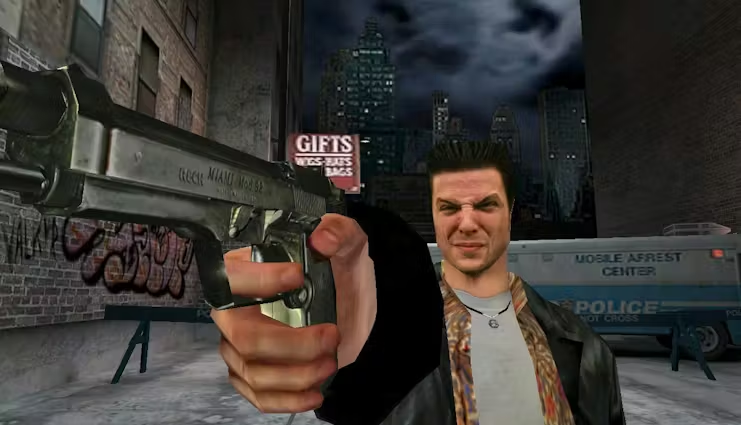
Visually, Max Payne leaned into shadows, harsh lighting, and graphic-novel-style panels that bridged gameplay and storytelling seamlessly. New York was a frozen nightmare — anonymous, cruel, and endlessly hostile. Even moments meant to be surreal or exaggerated carried emotional weight.
What made Max Payne influential wasn’t just its mechanics, but its confidence in tone. It proved that games could be bleak, stylized, and emotionally specific without apology. Long before narrative-driven shooters became common, Max Payne showed that action didn’t need to feel heroic — sometimes, it just needed to feel honest.
Two decades later, the game still hits hard. Not because it was flashy, but because it dared to be sad — and trusted players to follow it into the dark.