


Year: 2014 / Created by: Nic Pizzolatto, Issa Lopez
Cast: Season 1 (Matthew McConaughey, Woody Harrelson, Michelle Monaghan) / Season 2 (Colin Farrell, Vince Vaughn, Rachel McAdams) / Season 3 (Mahershala Ali, Carmen Ejogo, Stephen Dorff) / Season 4 (Jodie Foster, Kali Reis)
SEASON 1: Louisiana, time, and decay.
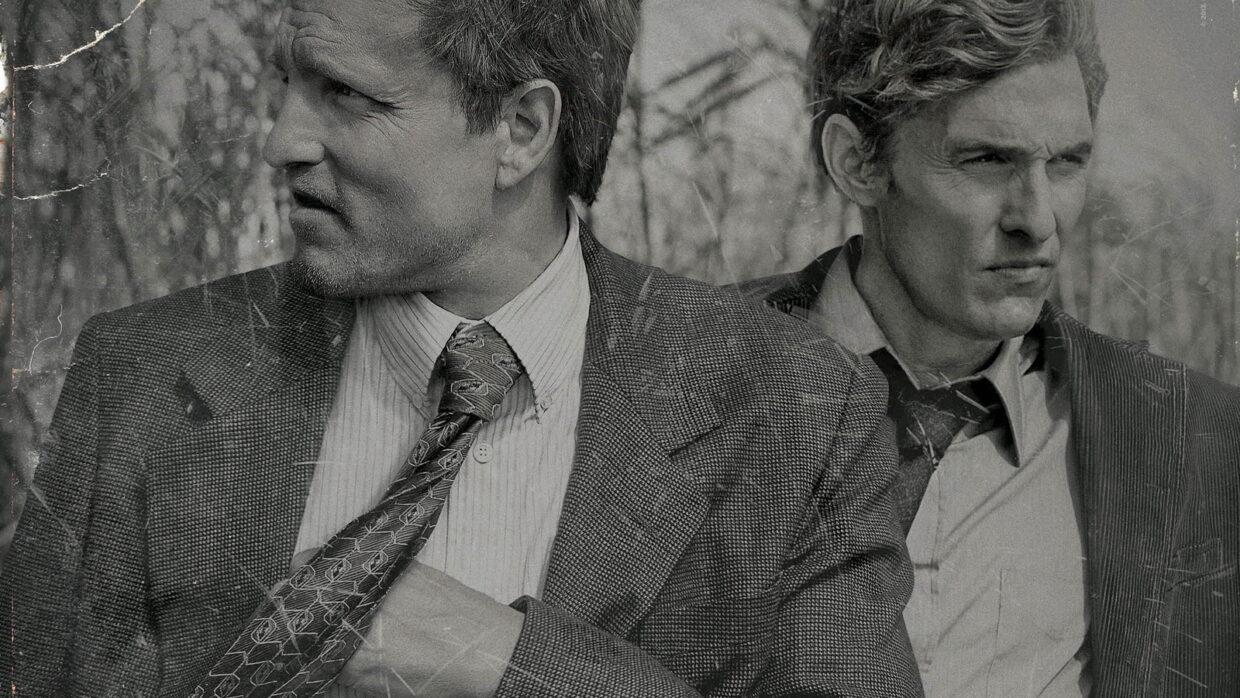
The first season didn’t just tell a crime story — it created a mood. Directed entirely by Cary Joji Fukunaga, it unfolded across multiple timelines, letting the past slowly poison the present.
At its center were Matthew McConaughey and Woody Harrelson, whose opposing characters gave the series its philosophical tension. Rust Cohle’s bleak worldview clashed constantly with Marty Hart’s compromises, grounding the mystery in character rather than plot.
The Southern landscape felt heavy, rotten, and complicit. Long silences mattered as much as dialogue. This season raised the bar for television — cinematic, literary, and patient — and became the standard against which everything that followed would be measured.
SEASON 2: Ambition without focus
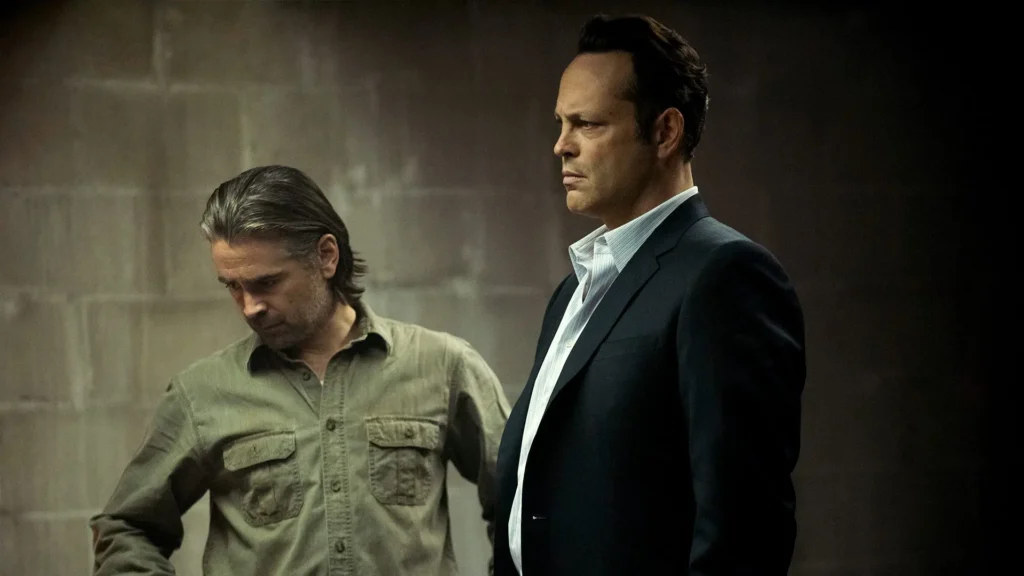
Season two expanded outward instead of inward. Set in a corrupt California sprawl, it introduced multiple protagonists and a dense web of conspiracies. The ambition was clear — the clarity was not.
Led by Colin Farrell, Rachel McAdams, and Vince Vaughn, and directed by filmmakers including Justin Lin, the season struggled under its own weight.
There were strong moments — especially Farrell’s tragic performance — but emotional connection often got lost in exposition and plot mechanics. In hindsight, season two feels less like a failure and more like an overreach: a show trying to escape the shadow of its own success, and learning the cost of excess.
SEASON 3: A quiet, reflective return
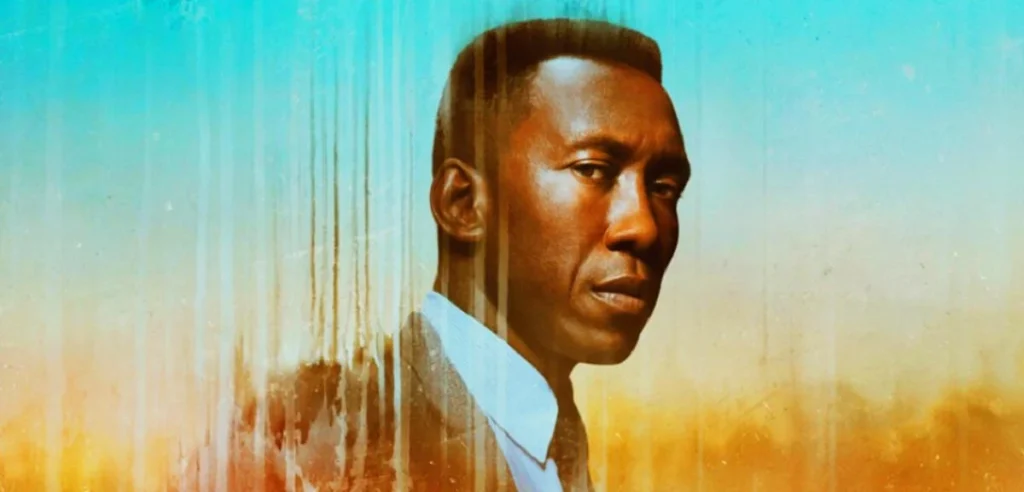
Season three deliberately slowed down. Set in rural Arkansas and told across fractured timelines, it focused less on solving a case and more on how time reshapes truth.
Mahershala Ali anchored the season with a restrained, deeply human performance as Wayne Hays, portraying the same man across decades with subtle emotional shifts. His aging, unreliable memory became the season’s central tension.
Rather than chasing the intensity of season one, this chapter embraced introspection. The mystery unfolded gently, and the resolution mattered less than the emotional journey. Season three didn’t try to outdo the past — it examined it, offering a mature meditation on regret, identity, and the stories we tell ourselves to survive.
SEASON 4: A new voice for the series
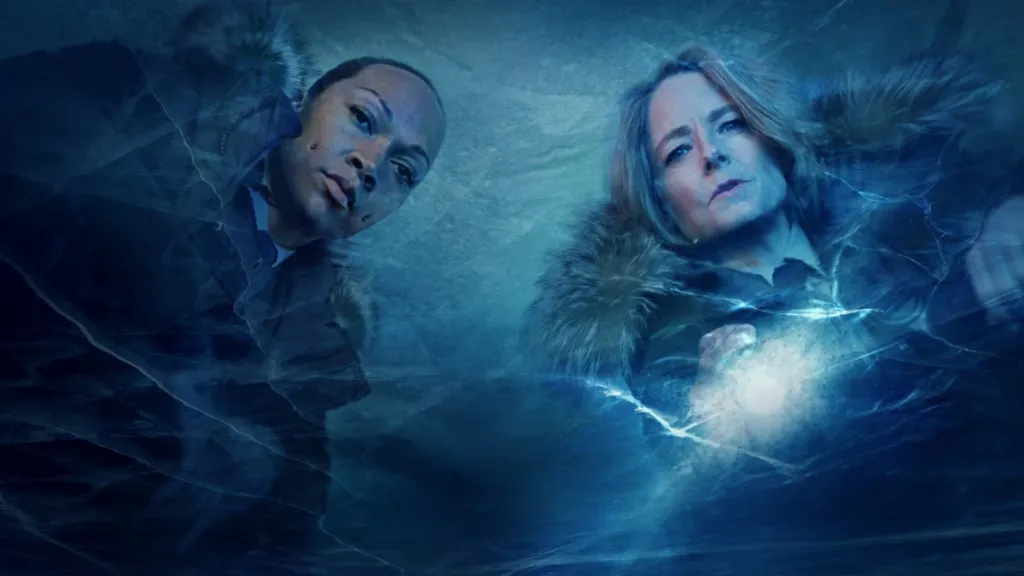
Season four, Night Country, marked the most dramatic reinvention of the series. Set in the frozen isolation of Alaska, it replaced Southern decay with endless night and creeping dread.
Starring Jodie Foster alongside Kali Reis, and led creatively by Issa López, the season leaned heavily into atmosphere and unease. The environment itself became a character.
This chapter embraced ambiguity and the supernatural more openly than before, dividing audiences but refreshing the format. Whether loved or debated, season four proved that True Detective remains a living concept — one willing to evolve, reflect its moment, and take creative risks.